Discover Finnish culture from history and personality traits to sauna traditions,literature and art. Everything you need to know before visiting Finland.
### What Is Finnish Culture? Everything About Finnish Traditions and Customs
Finnish culture is genuinely unique. Many of its customs and traditions can seem unfamiliar even puzzling to outsiders, but to Finns they are simply a natural part of daily life. Understanding Finnish culture before traveling or immigrating to Finland makes a significant difference in how well you settle in, connect with people, and navigate everyday situations. This guide covers the most important aspects of Finnish culture: its history, values, personality traits, and creative traditions.
### History and Origins of Finnish Culture
The ancestors of Finns trace back to the Uralic region, sharing linguistic roots with Estonians and Hungarians all part of the Finno Ugric language family. For centuries, the land now known as Finland was under Swedish rule. The Finnish language was suppressed; Swedish was the language of the educated and powerful, and the first university in Finland was founded by the Swedes in the then capital, Turku.
When Russia defeated Sweden in war, Finland came under Russian rule in 1809, becoming an autonomous Grand Duchy. Finland gained full independence in 1917. Today, Finland has two official languages Finnish and Swedish with less than 6% of the population speaking Swedish as their mother tongue. In Lapland, the Sami language is also commonly used.
The long period of foreign rule shaped Finnish society in lasting ways. Finns historically preferred rural and forest life over coastal cities, which were more exposed to foreign governance. Large scale rural migration to cities did not occur until the 1950s, and over half the population was still involved in agriculture at that time. Since the late 19th century, Finns have placed a strong emphasis on literacy as a way of preserving and strengthening the Finnish language and national identity.
### Finnish Personality Traits
Finnish personality is distinctly different from many other cultures, and understanding it helps avoid misreading social cues.
Finns tend to be reserved in public and prefer quiet over small talk but this does not indicate coldness or indifference. The Finnish view is that silence is comfortable, and words should carry meaning. A Finn will typically speak when they have something worth saying.
Punctuality is deeply valued. If a meeting is scheduled, a Finn will be there on time and expects the same from others. Work is approached quietly, efficiently, and conscientiously. This trait is often compared to Japanese work culture, and Finns and Japanese people are frequently noted as natural colleagues or partners for this reason.
Honesty is another cornerstone of Finnish culture. Historically, in a small, tight knit society, dishonesty would quickly damage one's reputation and relationships. This has made sincerity a central cultural value. It is also reflected in low crime rates if you leave a phone in a café, a Finn will almost certainly return it.
Finns are humble and modest about their achievements. They may take great pride in their country's accomplishments, but they rarely announce it loudly it is enough for another Finn to understand.
### Nature and Its Role in Finnish Culture
Finland's thousands of lakes, rivers, and coastal areas are not just geographical features they are woven into the national identity. Finnish artists, writers, and composers have long drawn inspiration from the country's waterscapes. Painter Akseli Gallen Kallela's most celebrated works are on display at the Ateneum Art Museum in Helsinki, with additional murals at Tampere Cathedral. Author Kalle Päätalo spent much of his life near the Iijoki River, a theme running through much of his writing.
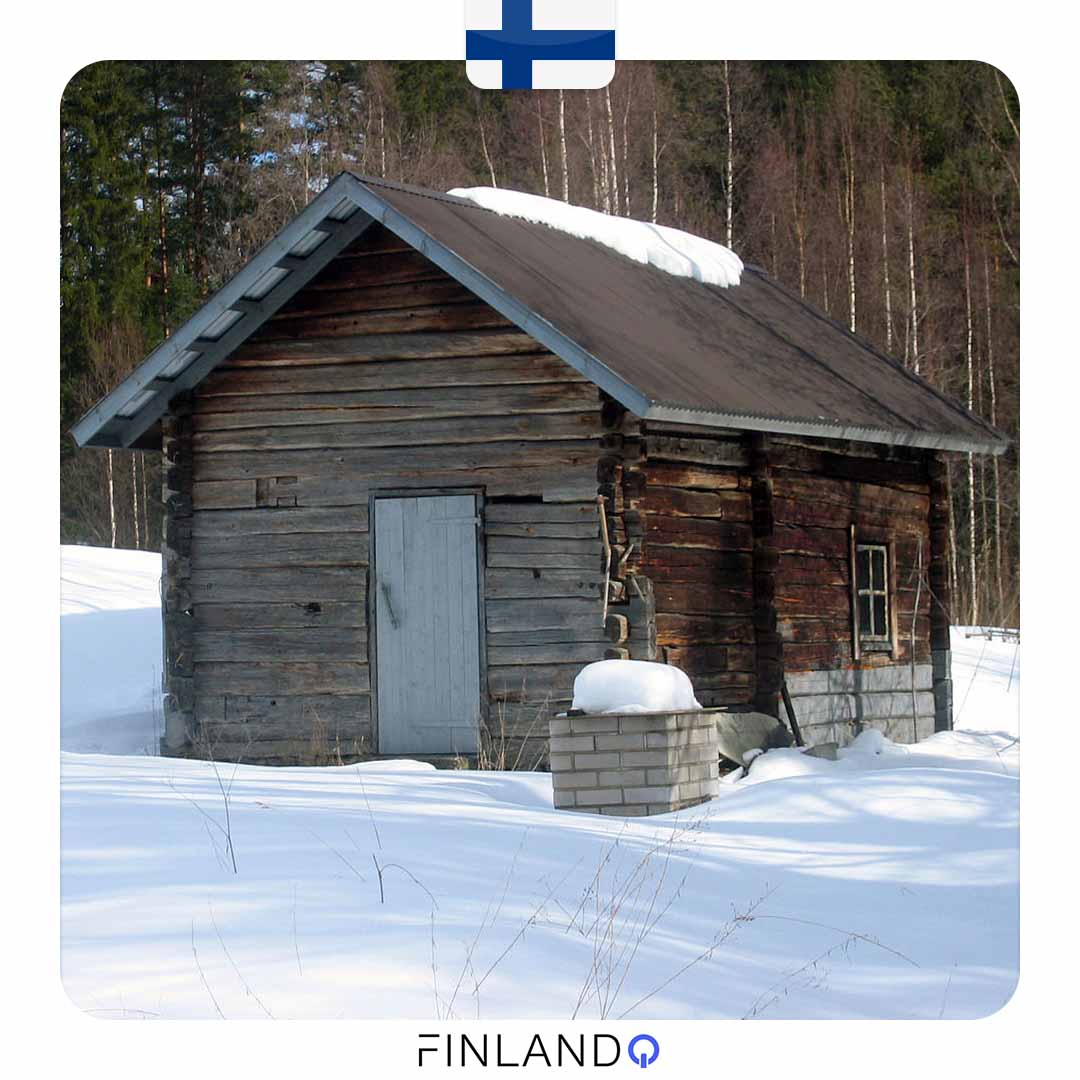
The sauna is perhaps the most iconic expression of Finnish culture. Most Finns visit the sauna at least once a week, and it is present in virtually every Finnish home and apartment building. It is a space for relaxation, conversation, and cultural continuity.
Finns also have a clear preference for domestic products. Marimekko textiles and Iittala glassware are found in Finnish homes not just for their design, but for the cultural significance they carry.
### Finnish Literature
Any discussion of Finnish literature begins with the **Kalevala** Finland's national epic. In the mid 19th century, Elias Lönnrot compiled traditional folk songs into a unified epic, creating what became a defining cultural document. Though Lönnrot described himself as simply assembling existing pieces, he in effect created a new work of lasting importance.
**Aleksis Kivi**, author of the novel *Seven Brothers*, is considered one of Finland's greatest writers. Other significant Finnish literary names include **Minna Canth** the first woman to study in Finland **Mika Waltari**, and **Väinö Linna**, whose novel *The Unknown Soldier* became the basis for a film shown annually on Finnish Independence Day.
### Finnish Music
Classical music arrived late to Finland given the country's long period of foreign rule. The composer who changed that was **Jean Sibelius (1865–1957)**. His piece *Finlandia* functions as an unofficial national anthem, and today young classical musicians train at the prestigious **Sibelius Academy** in Helsinki. Larger cities across the country have their own orchestras, and Savonlinna hosts a well known opera festival every year.
Tango holds a special place in Finnish culture but Finnish tango differs from Argentine tango. It is emotionally charged and melancholic rather than energetic. Each year in **Seinäjoki**, the self described Tango Capital, a national competition crowns the Finnish king and queen of tango contestants must both dance and sing. Jazz is also popular; the Pori Jazz Festival is one of the most recognized annual music events in the country.
Internationally, Finnish bands have found global audiences. **HIM**, **Nightwish**, and **Children of Bodom** are among the Finnish groups with worldwide recognition, bringing Finnish culture to international stages.
### Finnish Art and Architecture
The artist most central to Finnish cultural identity is **Akseli Gallen Kallela**, known for paintings rooted in Finnish mythology and nature. His works are housed at the Ateneum Art Museum in Helsinki.
In architecture, no name is more associated with modern Finland than **Alvar Aalto**. His buildings combine functional design with organic forms and are recognized worldwide. The **Finlandia Hall** in Helsinki is among his most visited works. The **Aalto vase** a design piece found in many Finnish homes is another expression of his lasting influence on everyday Finnish life.
### Considering a Move to Finland?
Understanding Finnish culture is the first step toward feeling at home in the country. If you are thinking about studying or immigrating to Finland, the team at **FinlandQ** is ready to guide you from the first question to your arrival. Contact our experts for personalized advice on your path to Finland.